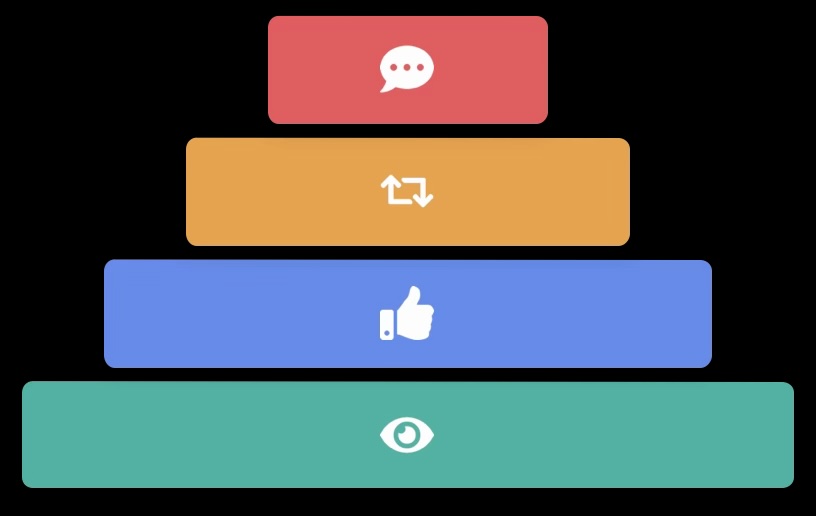
Each project asks a different question about the same process: where engagement is heading, what drives it, and which outside signals change it.
01 / 03The Web Conference · 2025
IC-Mamba
How early can we forecast a post’s reach?
IC-Mamba uses a state-space model with temporal embeddings to learn from irregular, interval-censored engagement observations. It forecasts how likes, shares, comments, and broader narratives develop before a trajectory is fully visible.
Forecasts from the first 15–30 minutes
02 / 03The Web Conference · 2026
DREAMS
Why do people engage with misinformation?
DREAMS draws on social exchange theory to model engagement as an evolving interaction between user effort, social reward, and platform context. It learns how emotional and contextual signals shape engagement across platforms.
Studied 2.37 million posts across 7 platforms
03 / 03AAAI · 2026
CITRUS
What actually changes the spread?
CITRUS uses a joint treatment-outcome framework to estimate how external signals—such as search trends, news coverage, and influencer activity—change misinformation engagement. Counterfactual comparisons help separate causal influence from simple correlation.
15–22% better counterfactual engagement prediction